
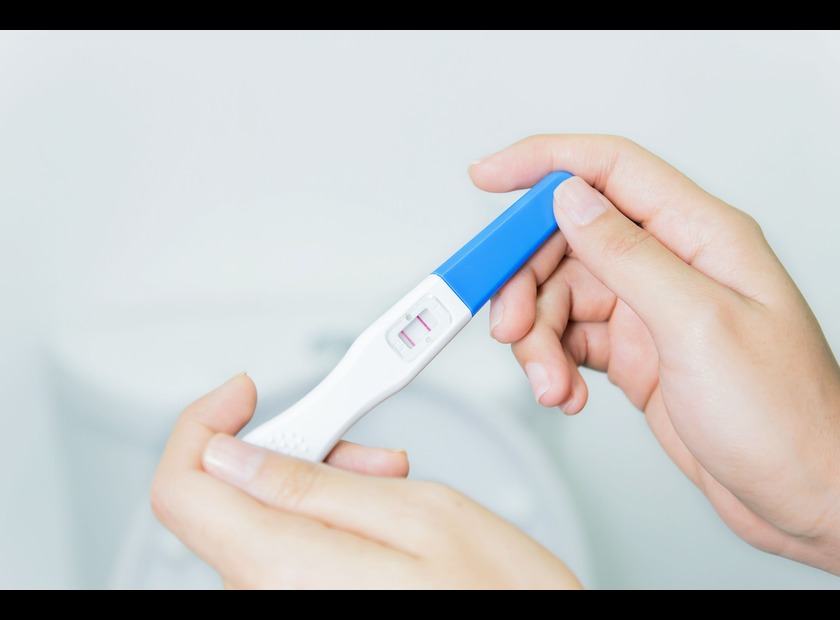
Fertility testing can help identify factors that may affect conception for individuals and couples who have been trying to conceive. If you’re exploring fertility testing in Greater Noida West, an initial consultation can help determine which assessments may be appropriate based on your medical history, reproductive health, and individual circumstances.
What is Fertility Testing?
Fertility testing refers to a series of tests designed to evaluate the reproductive health of both partners. It identifies potential causes of infertility, such as hormonal imbalances, anatomical issues, or lifestyle factors. Fertility testing is essential for couples who have been trying to conceive for over a year without success, or six months for women over 35.
Why Fertility Testing is Important
Infertility affects 1 in 6 couples globally, and the causes can range from lifestyle habits to underlying health conditions. Fertility testing helps you uncover these issues early, increasing your chances of a successful pregnancy.
The Importance of Early Testing
Early testing is crucial, especially if you’re over 35 or have any medical conditions that might impact your fertility.
Fertility Testing for Women
When assessing female fertility, we conduct a series of tests that assess both hormonal health and the reproductive system.
Ovulation Testing
Ovulation assessment can help determine whether and when ovulation occurs. Depending on individual circumstances, this may involve urine tests that detect a surge in luteinizing hormone (LH), blood tests, or other assessments recommended by a clinician.Ovarian Reserve Testing
Ovarian reserve tests help estimate the remaining egg supply and may support fertility treatment planning. Assessment can include blood tests for anti-Müllerian hormone (AMH) and follicle-stimulating hormone (FSH), along with an ultrasound to assess the ovaries. These results do not independently determine whether a person can conceive naturally.Hormonal Evaluation
Blood tests for hormones such as thyroid-stimulating hormone, prolactin, progesterone, or other reproductive hormones may be recommended based on symptoms and medical history. These assessments can help investigate conditions that may affect ovulation or reproductive health, including polycystic ovary syndrome (PCOS).Pelvic Ultrasound
A pelvic ultrasound helps assess the uterus, ovaries, and surrounding structures. It may identify findings such as ovarian cysts or uterine fibroids that require further evaluation. The significance of these findings depends on their type, size, and location.Hysterosalpingography (HSG)
Hysterosalpingography is an X-ray procedure that uses contrast material to assess the uterine cavity and whether the fallopian tubes appear open. It may be recommended as part of an infertility evaluation. The procedure has potential risks and limitations, which a healthcare professional can explain beforehand.
Factors to Consider When Choosing a Fertility Testing Clinic
When exploring fertility testing in Greater Noida West, patients may wish to consider the following factors:
Assessment and Follow-Up
Fertility testing may involve different investigations depending on medical history, symptoms, and reproductive goals. A consultation can help determine which tests are appropriate and whether further evaluation or treatment may be needed.Diagnostic Facilities
Fertility assessments may include blood tests, ultrasound examinations, and semen analysis, depending on individual circumstances. Patients can ask about the available investigations, how results are interpreted, and whether additional tests may be required.Qualified Healthcare Professionals
Fertility testing can raise questions and concerns. Consulting qualified healthcare professionals can help patients understand the purpose of each investigation, what the results may indicate, and what they cannot establish on their own.Individualised Guidance
Test results are considered alongside a patient’s medical history and other clinical findings. Depending on the assessment, a healthcare professional may discuss further investigations, lifestyle considerations, medication, or fertility treatments such as IVF.Clear Information About Costs
The cost of fertility testing varies according to the investigations required. Patients can request an itemised estimate and clarify any additional charges before proceeding.
Conclusion
Fertility testing can help individuals and couples investigate factors that may affect conception. The tests recommended depend on individual medical circumstances, and results should be interpreted by a qualified healthcare professional. Discussing the available investigations, their limitations, and associated costs can help patients make informed decisions about their next steps.
