
In recent years, developments in reproductive medicine have expanded the options available to people experiencing difficulties conceiving. In-vitro fertilization (IVF) is one such option, involving the fertilisation of eggs with sperm in a laboratory. For those researching IVF treatment in Greater Noida West, understanding the procedure, its potential uses, and the factors that influence outcomes can help them prepare for an informed discussion with a fertility specialist.
Understanding IVF
IVF involves a series of procedures designed to assist fertilisation and early embryo development outside the body. Eggs are collected from the ovaries and fertilised with sperm in a laboratory. An embryo may then be transferred into the uterus, depending on the treatment plan.
Learn more about IVF treatment and the stages involved in this procedure.
IVF may be considered in cases involving:
Blocked or damaged fallopian tubes
Certain male-factor fertility concerns, such as low sperm count
Endometriosis
Unexplained infertility
Certain inherited genetic conditions, where appropriate testing and counselling may be available
The decision to proceed with IVF depends on individual medical circumstances, fertility assessments, and the options discussed with the treating specialist.
Factors to Consider When Exploring IVF Treatment in Greater Noida West
Choosing a fertility clinic or specialist involves understanding the available services, the proposed treatment, and the practical considerations involved. The following factors may help patients prepare for a consultation.
Qualifications and Clinical Experience
Review the doctor’s qualifications, training in reproductive medicine, and relevant clinical experience. Patients can ask about the proposed treatment approach and how decisions are made for different fertility concerns.
Laboratory Facilities and Procedures
IVF involves laboratory handling of eggs, sperm, and embryos. Patients may ask about the laboratory services available, embryo-handling procedures, quality-control practices, and whether additional investigations or procedures are arranged elsewhere. Specific equipment or newer techniques do not necessarily guarantee better outcomes.
Treatment Planning Based on Individual Needs
Fertility treatment depends on factors such as age, medical history, ovarian reserve, sperm parameters, and the cause of infertility. The recommended plan may involve IVF or another approach, depending on the assessment. Patients should have an opportunity to discuss the potential benefits, limitations, risks, and alternatives before making a decision.
Counselling and Emotional Support
Fertility investigations and treatment can involve emotional and practical challenges. Patients may wish to ask about counselling services and the support available during treatment, including opportunities to discuss concerns and understand the next steps.
Costs and Fee Transparency
IVF expenses can vary according to medication, investigations, laboratory procedures, embryo freezing, and follow-up care. Before beginning treatment, request an itemised estimate and clarify which services are included and which may involve additional charges.
The IVF Process
The exact treatment schedule varies according to the patient’s medical circumstances and the clinic’s protocol. IVF commonly involves the following stages.
Initial Consultation and Assessment
The doctor reviews the medical history of both partners, where relevant, and may recommend investigations to evaluate possible causes of infertility. The findings help inform the available treatment options.
Ovarian Stimulation
Hormonal medication is used to stimulate the ovaries to develop multiple follicles. Ultrasound scans and, where appropriate, blood tests help monitor the response and guide treatment adjustments.
Egg Retrieval
When the follicles are considered ready, eggs are collected using a procedure performed under appropriate sedation or anaesthesia. As with other medical procedures, egg retrieval has potential risks that should be discussed beforehand.
Fertilisation
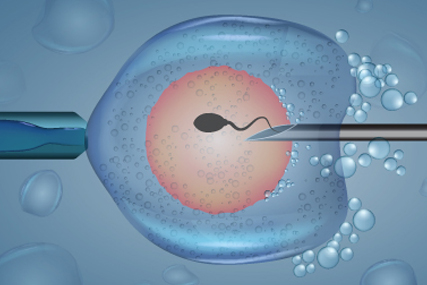
The collected eggs are fertilised with sperm in a laboratory. Depending on the clinical circumstances, conventional IVF or intracytoplasmic sperm injection (ICSI) may be considered.
Embryo Development and Transfer
Fertilised eggs are monitored as they develop into embryos. An embryo may be transferred into the uterus at a suitable stage, commonly a few days after fertilisation, or frozen for possible future use. The timing and number of embryos transferred depend on the treatment plan and relevant clinical considerations. Embryo transfer does not guarantee implantation or pregnancy.
Pregnancy Test
A pregnancy test is generally arranged at the interval advised by the treating team after embryo transfer. The timing may vary depending on the treatment protocol. The result helps determine whether pregnancy has occurred, and further follow-up may be recommended.
Understanding IVF Outcomes
IVF outcomes differ between individuals and treatment cycles. Factors that may influence results include age, the cause of infertility, ovarian response, egg and sperm characteristics, embryo development, and medical history.
When discussing outcome statistics, patients can ask whether the figures refer to pregnancy rates or live-birth rates, which patient group they represent, and whether the data relates to individual treatment cycles or cumulative outcomes. Results from one group of patients may not predict the outcome for another individual, and no treatment can guarantee pregnancy or live birth.
Additional Techniques Used Alongside IVF
Depending on the clinical assessment, other reproductive techniques may be discussed as part of fertility treatment.
ICSI (Intracytoplasmic Sperm Injection): A laboratory technique in which a single sperm is injected directly into an egg. It may be considered in selected circumstances, including certain cases of male-factor infertility.
Preimplantation Genetic Testing (PGT): Testing that may be used to assess embryos for particular genetic or chromosomal findings in selected circumstances. Its suitability, limitations, and implications should be discussed with a qualified clinician and, where appropriate, a genetic counsellor.
Frozen Embryo Transfer (FET): An embryo created during an earlier IVF cycle may be frozen and stored for possible transfer in a later cycle. Whether this is an option depends on embryo availability, medical circumstances, and the treatment plan.
Each technique has specific indications and limitations. The decision to use one should be based on clinical assessment rather than an assumption that additional procedures will necessarily improve outcomes.
Preparing for an IVF Consultation
Before a consultation, it may help to gather previous fertility reports, relevant medical records, details of earlier treatments, and a list of questions. Consider asking about the recommended approach, alternative options, possible side effects, expected appointments, total estimated costs, and how treatment progress will be monitored.
Understanding these details can make it easier to discuss concerns and participate in decisions about care.
Conclusion
IVF is one of several treatment options available for people experiencing fertility difficulties. Its suitability depends on individual medical findings, and the process may involve several stages, from initial assessment and ovarian stimulation to embryo transfer and follow-up testing.
For anyone exploring IVF treatment in Greater Noida West, learning about the procedure, reviewing relevant qualifications, understanding the available options, and discussing potential benefits, risks, and costs with a fertility specialist can help support an informed decision.
